
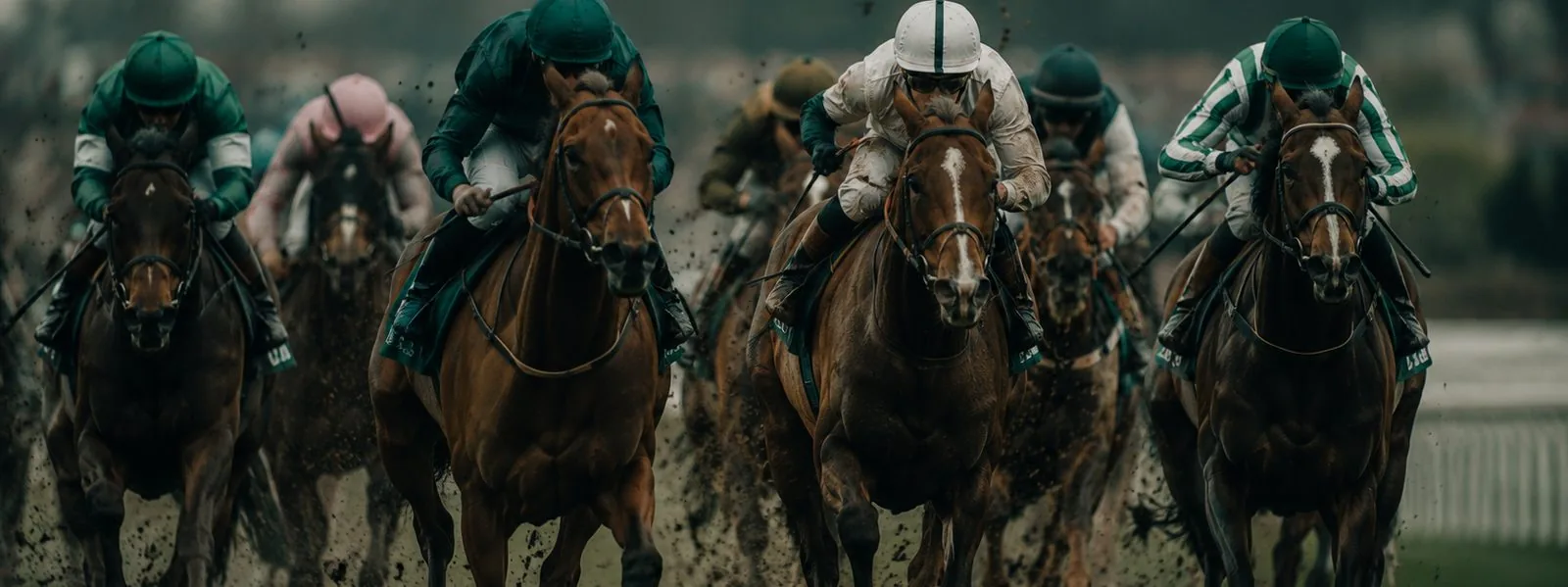
Grand National 2027 Odds & Favourites
How the ante-post market works, what moves it, and how to read the prices — information, not tips.
In short: the Grand National ante-post market takes shape after the February weights and firms up as the field is declared. Bigger prices are available early, but only Non-Runner No Bet protects your stake if your pick is withdrawn. This page explains how the market works — it is not betting advice.
How ante-post odds work
Ante-post prices are offered weeks or months before the race. They're usually longer than you'll get on the day, which is the appeal — but the trade-off is that you typically lose your stake if your horse doesn't make the final field. Look for Non-Runner No Bet, which refunds your stake if your selection is withdrawn.
What moves the market
Four things move the Grand National market more than anything: the weights published in February (a handicap "leveller"), the going at Aintree in the days before the race, jockey and trainer bookings, and recent form in staying chases. A yard in strong seasonal form — historically the likes of Willie Mullins and Gordon Elliott — often shortens several of its runners at once.
Reading the prices sensibly
Shorter odds mean a horse is more fancied, not that it will win — the National's up-to-34 field makes upsets common. Treat any bet as entertainment, set a budget first, and never chase losses. You must be 18+.
Because the field is so big, the each-way terms matter as much as the price. Before you bet, it's worth comparing Grand National extra-place offers and free bets — an extra place or Best Odds Guaranteed can add more value than a shorter headline price.
Frequently asked questions
How do ante-post odds work?
Ante-post odds are prices offered well before the race, often bigger than on the day, but you usually lose your stake if your horse does not run — unless the bet is Non-Runner No Bet (NRNB).
What moves the Grand National market?
The weights allotted in February, the going (ground conditions), trainer and jockey bookings, and recent form all move the ante-post market.
Do favourites win the Grand National?
Rarely, historically — the huge field and demanding fences make it one of the most unpredictable races of the year, though I Am Maximus did win as 9/2 favourite in 2026.
18+ only. Please gamble responsibly. Free, confidential support is available at BeGambleAware.org and GamCare.org.uk.